How many times have you heard someone make big promises or talk endlessly about their plans, only to see nothing come of it?
Maybe you’ve even caught yourself doing the same thing.
It’s easy to get caught up in grand plans and lofty promises, but at the end of the day, what really matters is what we actually do.
This brings to mind one of Benjamin Franklin’s most powerful quotes: “Well done is better than well said.”
This quote is all about the gap between words and deeds.
It’s about rolling up your sleeves and actually doing the work instead of just talking about it.
Whether it’s starting that business you’ve been dreaming of or learning a new skill.
It’s a reminder that real progress, real achievement, comes from action.
So, let’s explore how we can apply this practical wisdom to our everyday lives.
How can we shift from being all talk to people of action?
The power of action

So why is action so vital? First and foremost, actions lead to results.
It’s through our actions that we shape our reality and create the change we desire.
Whether in your personal life, career, or community, taking action is the first step toward making an impact.
Let’s break it down further.
Imagine you’ve decided you want to learn a new skillmaybe it’s cooking, photography, or even a new language.
You can talk about it, read articles, and watch tutorials, but if you don’t pick up a spatula, a camera, or a textbook, you’re not going to make any progress.
It is through doing that we truly learn and grow.
Breaking Down the Barriers
So why is it often easier said than done? Here are a few common obstacles we face:

– Fear of failure: Sometimes, we hesitate to act because we’re afraid of messing up. But remember, even Franklin had his share of failures. What set him apart was his willingness to learn from mistakes and keep moving forward.
Fear Kills More Dreams Than Failure Ever Will – Suzy Kassem
– Perfectionism: Waiting for the perfect moment or trying to make everything flawless can lead to paralysis. Franklin’s quote reminds us that doing something imperfectly is often better than doing nothing at all.
– Lack of accountability: When we only talk about our plans, there’s no real pressure to follow through. Taking action means putting ourselves out there and being accountable for the results.
Putting Words into Action
Now that we understand the importance of action, how can we embody Franklin’s wisdom in our daily lives? Here are some practical strategies:
– Set Clear Goals: The first step in turning words into action is setting clear, achievable goals.
What do you want to accomplish? Break it down into manageable tasks. If your goal is to get fit, for instance, don’t just say, “I want to lose weight.”
Instead, aim for something more specific, like “I will go to the gym three times a week.” This clarity gives you a concrete direction.
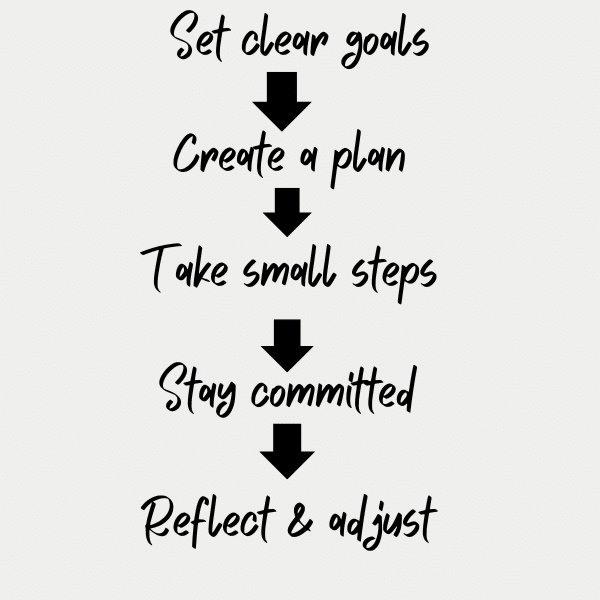
– Create a Plan: Once you’ve set your goals, outline a plan of action. This can be as simple as scheduling specific times in your calendar to work on your goals.
Having a plan not only helps you stay organized but also holds you accountable.
– Take Small Steps: You don’t have to overhaul your life overnight. Start with small, manageable steps that gradually lead to bigger changes.
This makes the process less overwhelming and allows you to celebrate your progress along the way.
Remember, every small action contributes to the larger goal.
– Stay Committed: There will be challenges and setbacks. It’s essential to stay committed and remind yourself of your “why.”
Why did you start in the first place? Keeping your motivation at the forefront can help you push through the tough times.
– Reflect and Adjust: After you’ve taken some actions, take time to reflect on what’s working and what’s not.
This is crucial for growth. If something isn’t yielding the results you hoped for, don’t be afraid to adjust your approach.
The Only Real Mistake is the One from Which We Learn Nothing – Henry Ford
Real-Life Examples
Let’s look at a real-life example. Think about famous figures who embodied Franklin’s philosophy. Take Thomas Edison, for instance.
He’s known for his tireless work ethic and belief in experimentation.
Edison didn’t just talk about inventing the light bulb; he failed thousands of times before finally achieving success.
Each failure was a step towards his ultimate goal, proving that well-done actions often overshadow well-said words.
On a more personal level, consider a friend or colleague who has taken a leap of faith.
Maybe they decided to start their own business or pursue a passion project.
They didn’t just talk about their dreams; they took tangible steps to make them a reality.
This not only inspires those around them but also reinforces the idea that action breeds success.
Final Thoughts
To summarize, “Well done is better than well said” is not just a catchy phrase; it’s a powerful reminder that actions carry more weight than words.
So, the next time you find yourself caught up in grand plans, take a step back and ask yourself: “What action can I take right now to move closer to my goal?”
After all, it’s what we do that truly defines us.
Related Quotes